Five Facts: Contact Lenses, Glasses & COVID-19
 (NewsUSA)
 – It’s a common question: can I wear my contact lenses during the COVID-19 pandemic? New research led by the Centre for Ocular Research & Education (CORE) is helping the billions of people who rely on contact lenses or glasses take care of their eyes, dispelling coronavirus myths.Dr. Lyndon Jones, CORE’s director and the world’s most-published expert in contact lens research, offers these valuable tips for healthy vision.1. You Can Keep Wearing Contact Lenses.There is currently no scientific evidence that contact lens wearers have an increased risk of contracting COVID-19 compared with glasses wearers. As always, you should consult your own eye doctor with any specific questions.2. Good Hygiene Habits are Critical.Thorough handwashing and drying are essential. Properly wear and care for your contact lenses, making sure you practice good contact-lens-case hygiene. Also, regularly clean your glasses with soap and water. These habits can help you stay healthy and out of your doctor’s office or the hospital.3. Regular Eyeglasses Do Not Provide Protection.There is no scientific evidence to support rumors that everyday glasses offer protection against COVID-19.4. Keep Unwashed Hands Away from Your Face.Whether you wear contact lenses, glasses or require no vision correction at all, you should avoid touching your nose, mouth and eyes with unwashed hands. This is consistent with World Health Organization and U.S. Centers for Disease Control and Prevention (CDC) recommendations.5. If You Are Sick, Temporarily Stop Wearing Contact Lenses.If you are ill, temporarily stop wearing your contacts and use your glasses instead. Once you return to full health and have spoken with your eye doctor, you can start again. Make sure to use new contact lenses and a new lens case.The five facts are now available with other eye- health recommendations at COVIDEyeFacts.org. They are central to a new peer-reviewed paper authored by Dr. Jones and four other prominent eye scientists, published in the research journal Contact Lens & Anterior Eye."Our findings indicate that contact lenses remain a perfectly acceptable form of vision correction during the coronavirus pandemic. People need to remember to practice good hand hygiene and follow appropriate wear-and-care directions, as instructed by their eye doctor," says Dr. Jones. "There has been considerable misinformation circulating about wearing contact lenses and glasses during the COVID-19 pandemic. Our goal is to make sure that science-backed truths are understood and shared, replacing fear with fact." The U.S. Centers for Disease Control and Prevention has issued guidance on contact lens wear during the COVID-19 pandemic, supporting key findings from the CORE-led research. The CDC also points out that personal eyeglasses and contact lenses do not qualify as personal protective equipment.The Centre for Ocular Research & Education was established in 1988 at the University of Waterloo’s School of Optometry & Vision Science in Ontario, Canada. Since then, CORE has been at the heart of many prominent advances in eye health, including medical devices, ocular pharmaceuticals, and digital technologies.

 – It’s common knowledge that excessive skin exposure, not only to the sun but also to environmental pollutants, can promote inflammation and lead to skin damage.
 – Currently, 16 vaccines are covered under the Vaccine Injury Compensation Program (VICP) in the United States: influenza, tetanus, pertussis (whooping cough), measles, mumps, rubella, human papillomavirus, meningitis, diphtheria, chicken pox, polio, rotavirus, haemophilus influenzae type b, hepatitis A, hepatitis B, and the pneumonia conjugate vaccine.Some of the more common injuries associated with vaccination are anaphylaxis (a severe allergic reaction), vasovagal syncope (fainting), and SIRVA (shoulder injuries related to vaccine administration).To be eligible for compensation through the VICP, injuries must be deemed severe, defined as symptoms lasting for at least six months or that have caused you to go to a hospital for surgery, or have resulted in death.Vaccine injuries are defined as developing a new illness or aggravating an illness or condition that you already have as a result of receiving a vaccine.Individuals can file VICP claims on behalf of themselves, a dependent child, or on behalf of the estate of someone whose death was determined to have been associated with a vaccine injury.Potential types of compensation the VICP offers for vaccine-related injuries include medical or habilitative expenses not otherwise covered by your health insurance or another program; pain and suffering; and compensation for lost wages if you are unable to work or earn as much as before the injury.Individuals who want to pursue a case of vaccine injury should team up with an experienced attorney advocate to file a claim. Specialized legal teams such as those at Sands Anderson can guide you through the process of filing a claim with the VICP and navigating through the process.Approximately 80 percent of VICP claims are resolved through negotiated settlements, although some cases do proceed to a formal trial.If you or a loved one might have experienced an injury associated with vaccination, visit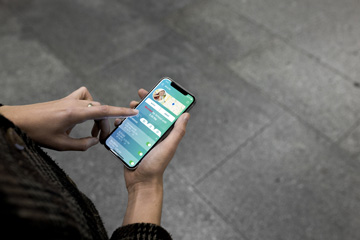
 – A consequence of the COVID-19 coronavirus pandemic is that children are spending more time with screens than ever before. Schools request online class meetings, while working parents find themselves turning to other educational sites and games to keep kids entertained during extended time at home.Although the increase in screen time is expected, and in many ways necessary, the risks of excessive device use remain, and experts remind parents to monitor the nature of children’s screen time and use of digital devices.The OurPact app offers a family screen time management solution that is now available for free to help families manage technology use during the coronavirus crisis.OurPact provides web filters, device usage schedules, screen time "allowances," and the ability to whitelist educational apps during designated "school hours." Parents set management preferences for each child, and OurPact controls the devices. The app also allows parents to remotely block or grant access to the internet or apps on devices their children are using, which provides an added level of convenience for busy families."We recognize that parents need our solution now, more than ever," says Amir Moussavian, the founder and CEO of OurPact."Digital devices will be critical to navigating through this crisis, but so too will be routine, structure, and boundaries – especially for younger kids. This is our way of helping families maintain some balance and stability over the coming months," he emphasizes.The OurPact app is designed for parents with children 3 to 13 years of age, and allows parents to help their children understand the safe use of technology and establish healthy online habits.The app is engineered for easy use, and customer support is available seven days a week.OurPact is offering its premium subscription service at no charge for three months, and its cross-platform and cross-network design is compatible with iOS and Android devices.Other features of OurPact include blocking texting through preset schedules to avoid distractions during homework or meal times, and a family locator that allows users to find a lost device or keep tabs on children’s safety.Visit
 – Sponsored News – The coronavirus has spread throughout the United States like wildfire. Workers are being furloughed, resulting in almost 17 million unemployment claims between March 15th and April 4th.To make matters worse, tornadoes are pummeling parts of the south leaving dozens dead, half a million people without power, and survivors with nowhere to go. In addition, fires have sprung up in seven different states, winter storms are raging from coast to coast, and severe rains are causing extensive flooding in Hawaii.It’s hard to stay positive and hopeful when it seems as if the whole world is imploding. But there is always a light in the darkness. People are coming together, supporting one another, and doing what they can to help those in need during the COVID-19 pandemic.Nonprofits, charities, businesses, and organizations all over the United States have created emergency COVID-19 funds to support those who are struggling. During times of tragedy and strife, such as this pandemic, people are supporting each other in a way that is refreshing and welcomed during these stressful times.Recently, wealthy social media gurus, entrepreneurs, and moguls have taken to Twitter and Instagram to offer cash to their fans who are in need. For instance, Fashion company, Fashion Nova, has teamed up with Cardi B, pop and hip-hop sensation, to give away $1000 every hour to those who apply on the Fashion Nova website until May 20th.Celebrities are creating once-in-a-lifetime experiences for the #ALLINCHALLENGE, raffling experiences to those who buy entry, or auctioning off their priceless possessions, all in the name of charity. Mark Cuban is raffling a one-day contract to play in the NBA.The United States federal government has also provided American taxpayers with a one-time payment of $1,200 to ease the economic strain that COVID-19 has had on the economy. This is just the tip of an iceberg of support that has emerged due to the initial economic downturn caused by COVID-19.The point being that all over the world, people and organizations are looking for ways to help others.To that end, CashForCars.com has consolidated as many resources and lists of resources as possible to help those seeking relief from COVID-19’s impact in


